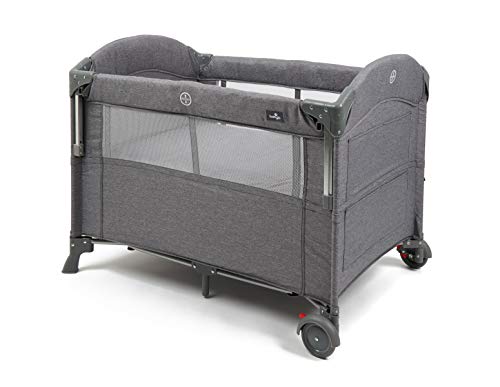
The Ultimate Guide to Choosing a Bedside Cot for Your Baby's Room
As new parents prepare to invite their kids, among the most pressing concerns is developing a safe and comfortable sleeping environment. A bedside cot is a significantly popular option, supplying convenience and assurance. This post explores the advantages of bedside cots, essential functions to consider, their benefits over standard cots, and responses to frequently asked concerns.
What is a Bedside Cot?
A bedside cot, also understood as a co-sleeper or side-sleeper cot, is designed to connect firmly to the side of the parent's bed. This ingenious sleeping option permits for easy accessibility, allowing parents to tend to their baby's needs without the requirement to leave their own sleeping space. This benefit promotes a bonding experience, as parents can easily reach their baby for feedings and comfort throughout the night.
Benefits of Using a Bedside Cot
Bedside cots offer various advantages that standard cribs may not provide. Here are some key benefits:
- Convenience: Bedside cots enable parents to be close to their baby without compromising space or security.
- Safety: Many bedside cots fulfill safety standards and design functions to guarantee the baby can not present onto the floor.
- Breastfeeding Friendly: Mothers can quickly breastfeed during the night without requiring to rise.
- Easier Sleep Training: Bedside cots can make sleep training much easier as babies feel protected being close to their parents.
Secret Features to Consider When Choosing a Bedside Cot
When choosing the right bedside cot for your baby's room, bear in mind the following necessary functions:
1. Safety Standards
- Make sure the cot satisfies regional safety policies and standards. Try to find a cot that has breathable mesh sides for better ventilation.
2. Height Adjustment
- Look for a cot with adjustable heights to match your bed's level, permitting a protected fit and reducing the risk of spaces.
3. Stability
- Ensure the cot has a durable frame to avoid tipping. Stability is vital for security.
4. Portability
- If travel is anticipated, consider a light-weight design that can quickly fold or disassemble.
5. Convertible Features
- Some cots can transform to a bassinet or playpen, permitting for extended usage beyond infancy.
6. Bed mattress Quality
- Look for a firm, appropriately fitted mattress that meets safety requirements to support the infant's fragile body.
7. Ease of Assembly
- A cot that is easy to put together and disassemble can conserve time and disappointment, particularly for new parents.
8. Cost Range
- Budget plans can vary; figure out upfront just how much you want to invest on a bedside cot.
Comparisons: Bedside Cot vs. Traditional Cot
| Feature | Bedside Cot | Traditional Cot |
|---|---|---|
| Ease of access | Easy access from bed | Requires complete motion to reach baby |
| Co-sleeping Functionality | Created for co-sleeping | Not suitable for co-sleeping |
| Size | Normally smaller sized for space performance | Standard crib size |
| Mobility | Often more portable | Heavier and less portable |
| Connection with Parent | Straight connected to the parent's bed | Freestanding, needing range |
| Flexibility | Can transform and adjust to various stages | Mostly for setting infant down |
Often Asked Questions (FAQs)
1. Are bedside cots safe for newborns?
Yes, if appropriately established according to security standards and attached securely to the moms and dad's bed, bedside cots are safe for newborns.
2. Can a bedside cot avoid SIDS (Sudden Infant Death Syndrome)?
While no cot can ensure prevention of SIDS, utilizing a bedside cot encourages safe sleep practices, permitting parents to monitor their baby closely.
3. The length of time can a baby use a bedside cot?
Normally, babies can use a bedside cot from birth approximately around 6 months old, depending upon the particular weight and height limits set by the manufacturer.
4. Do bedside cots include a bed mattress?
A lot of bedside cots consist of a mattress; however, it's vital to check that it adheres to security standards and fits well within the cot to prevent spaces.
5. Can you use a bedside cot with a bed that has a high frame?
Yes, numerous bedside cots come with adjustable heights to accommodate different bed heights. Constantly measure the bed height to guarantee a correct fit.
6. What is the finest product for a bedside cot?
Search for natural products such as solid wood or natural products that are complimentary from toxic chemicals, ensuring a safe environment for your baby.
A bedside cot can considerably boost the experience of new parents, supplying the ease of access and safety required throughout the newborn phase. With cautious factor to consider of the functions described above, parents can choose a bedside cot that best matches their household's requirements. By purchasing Bedside Crib For Small Spaces , parents can enjoy more peaceful nights, knowing their baby is nearby, protect, and comfortable.
Key Takeaways
- Bedside cots offer benefit, security, and convenience for both parent and baby.
- Essential features to consider include safety standards, stability, and size.
- Always ensure you select a cot that fulfills safety policies and matches your way of life.
Creating a supporting environment for a baby does not end with the cot option but begins there, offering comfort and security for a peaceful night's sleep.